
Adaptive Wildlife Management
Bridging ecological and societal perspectives to support decision-making.
Beyond Boundaries:
An Adaptive Framework for Wild Ungulate Management in Switzerland
Wild ungulates are key ecosystem engineers that shape habitats and influence essential ecosystem services.
They also lie at the intersection of multiple stakeholder interests including agriculture, forestry, tourism, hunting, and conservation. Yet, their management remains fragmented across political borders and species-specific silos.
This project aims to develop a holistic, evidence-based framework that integrates ecological data, economic values, and social perspectives, that balances ecological integrity with societal needs, to guide adaptive management through his complex task.
By uniting stakeholders, authorities, and scientists, we aim to transform wildlife conservation into a unified, resilient system that serves both nature and society.
Current State
This project, financed by the Swiss National Science Foundation for a period of 4 years, develops from a previous 1-year pilot project in 2024/2025 that evaluated the feasibility and stand of an adaptive management of ungulates in Switzerland.
Ungulates and Ecosystem
Wild ungulates shape the landscapes we depend on. They promote biodiversity, regenerate ecosystems, disperse seeds, sustain food webs, and provide valuable ecosystem services. At the same time, high population densities can damage forests and crops, facilitate disease transmission, and create conflicts between stakeholders, highlighting the need for integrated, adaptive wildlife management.
Logistic challenges
The management of such a complex system meets many challenges.
Fragmentation: Current practices often stop at cantonal borders, ignoring the biological reality of animal movement. We are establishing biologically relevant management units that transcend political lines.
Decision making challenges
Data Uncertainty: Decision-makers often lack robust data on population trends. We are developing advanced population models to distinguish between true population changes and sampling biases.
Decision making challenges
Stakeholder interests: Diverging interests between forestry, hunting, and conservation create tension. Through participatory workshops and the “Nature’s Contributions to People” framework, we are co-creating solutions that balance ecological, economic, and social needs.
Aims of the Project
This project aims to develop a holistic, evidence-based framework that integrates ecological data, economic values, and social perspectives, that balances ecological integrity with societal needs, to guide adaptive management through his complex task. By uniting stakeholders, authorities, and scientists, we aim to transform wildlife conservation into a unified, resilient system that serves both nature and society.
Data Harmonisation
Experience the fusion of imagination and expertise with Études Architectural Solutions.
Feedback Loops
Experience the fusion of imagination and expertise with Études Architectural Solutions.
- About Us
- Adaptive Wildlife Management
- Dashboard
- Forum
- Insights
- Links
- Sample Page
- The Project
- Timeline
- Work Packages
– The Project –
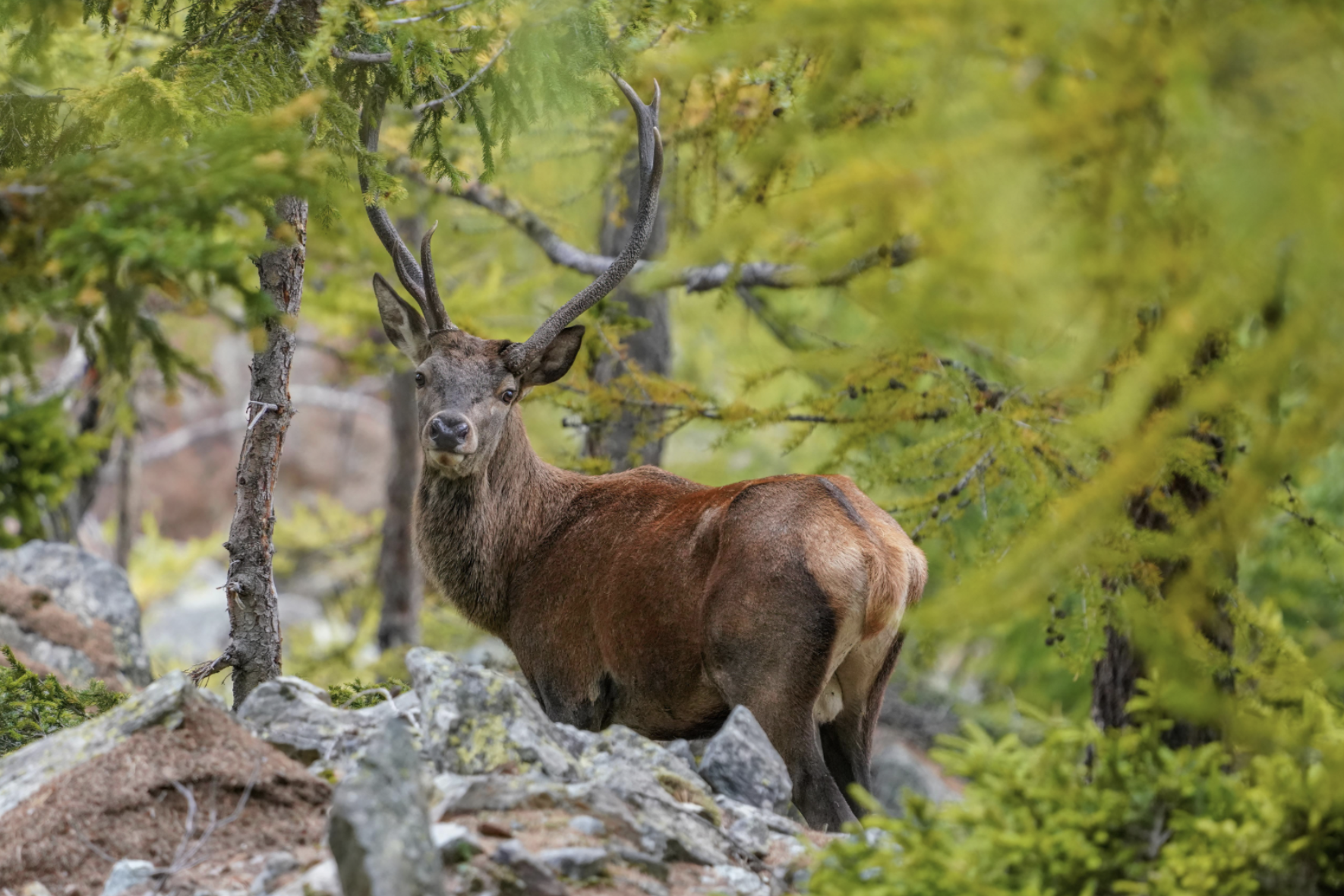
Photo: Nicolas Stettler